
Sauna Health Benefits: 5 things that happen to your body after just one sauna session
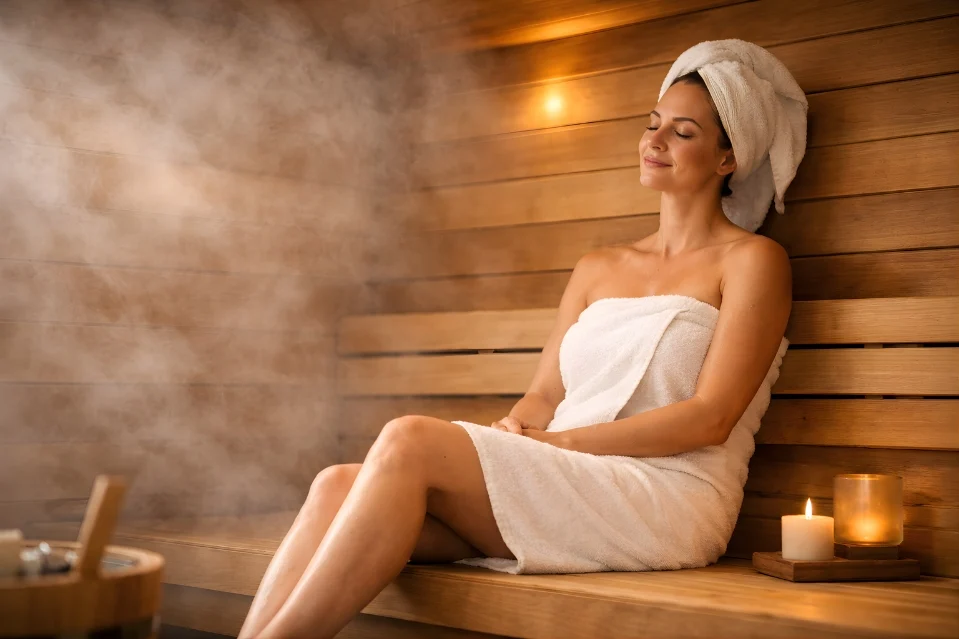
Most people walk out of their first sauna session saying the same thing – “I didn’t expect to feel that good.”
And it’s not just the heat. Something shifts. Your body has been put through a carefully controlled thermal stress, and it responds in ways that researchers have been studying for decades. You don’t need to be a regular sauna-goer to notice the changes. A single session is enough to get a real preview of what consistent use can do.
Here are five things happening inside your body from the moment you sit down in that warm room.
Sauna Health Benefits: What Science Actually Says
The conversation around sauna health benefits has moved well beyond folk wisdom. A landmark study published in JAMA Internal Medicine, following over 2,300 middle-aged Finnish men across 20 years, found that those who used a sauna four to seven times a week had significantly lower rates of fatal heart disease compared to those who used it just once a week.
But here’s what gets overlooked in most of these conversations: you don’t need years of regular sessions to feel the effects. Your body starts responding from session one.
The changes are physiological, not placebo. And once you understand what’s actually happening, you’ll look at that warm cedar room very differently.
1. Your Heart Rate Goes Up – In a Good Way
Within the first few minutes of a sauna session, your core body temperature begins to rise. Your cardiovascular system reads this the same way it reads mild exercise – and it responds accordingly.
Your heart rate typically climbs to between 100 and 150 beats per minute. Blood vessels near the skin dilate. Your body redirects blood flow toward the surface to help cool itself down.
The result? Improved circulation throughout your body – including to muscles, joints, and organs that don’t always get great blood flow during a regular day of sitting at a desk.
Researchers have described this effect as “passive cardiovascular conditioning” – your heart is getting a workout without you moving at all. For people recovering from injury, dealing with joint stiffness, or simply not in a position to exercise vigorously, this is a meaningful benefit.
What you’ll notice after: A warm, flushed feeling. Slightly elevated energy. Some people describe it as the feeling after a light jog – without the effort.
2. Your Muscles Start to Relax Almost Immediately
Heat penetrates tissue. That’s not a metaphor – it’s physics.
When your body temperature rises in a sauna, blood flow to muscle tissue increases. Heat also reduces the firing threshold of muscle spindles (the tiny sensors that keep muscles contracted). In plain terms, tight muscles get permission to let go.
This is why athletes have used sauna sessions as part of post-training recovery for years. Delayed onset muscle soreness (DOMS) – that aching feeling 24 to 48 hours after intense exercise – responds well to heat exposure. A 2015 study in the Journal of Science and Medicine in Sport found that far-infrared sauna use significantly reduced muscle soreness in the 48 hours following strenuous exercise.
Even without prior exercise, if you carry tension in your neck, shoulders, or lower back (and most people do), you’ll notice it softening during the session.
What you’ll notice after: Looser joints. Less stiffness. A physical sense of your body “settling.” If you had any chronic tension spots, they’ll likely feel quieter than usual.
3. Your Skin Gets a Thorough Deep Clean
Sweating is your skin’s housekeeping system, and in a sauna, it runs at full speed.
Within 10 to 15 minutes at typical sauna temperatures (between 70°C and 100°C for traditional saunas, or 45°C to 65°C for infrared), you can lose close to 500ml of sweat. That sweat is pulling with it sodium, urea, and small amounts of metabolic waste products that accumulate in the superficial layers of skin.
Alongside this, increased blood flow brings more oxygen and nutrients to skin cells. Pores open up. The skin surface becomes more hydrated from the inside out, not the outside in.
Dermatologists note that regular sauna use is associated with better skin elasticity and improved barrier function over time. After a single session, many people notice their skin feels softer and looks clearer – particularly those with congested or dull complexions.
What you’ll notice after: Smoother skin texture. A visible glow. Pores that look less congested. The effect is usually most noticeable in the first hour after stepping out.
4. Your Stress Levels Drop – and Stay Down
This one is both biochemical and neurological.
Heat exposure triggers the release of beta-endorphins – the same natural compounds released during exercise and laughter. Simultaneously, cortisol levels (your primary stress hormone) tend to drop following sauna use. There’s also evidence that heat activates the parasympathetic nervous system, shifting you out of “fight or flight” and into “rest and digest” mode.
A Finnish study published in Psychosomatic Medicine found that regular sauna use was associated with meaningfully lower rates of self-reported stress, anxiety, and even symptoms of mild depression.
You don’t need regular use to feel this, though. A single session produces a measurable shift in mood chemistry. It’s why so many people describe stepping out of a sauna with a kind of mental quietness – not tiredness, but calm.
What you’ll notice after: A slower pace of thought. Reduced mental chatter. Less physical tension is carried over from the day. The effect often lasts several hours.
5. Your Sleep That Night Will Feel Different
This is perhaps the most underappreciated benefit of a single sauna session.
Here’s why it works: your body temperature rises significantly during the session. When you leave, your core temperature gradually drops back to normal – and that drop is one of the key signals your brain uses to initiate sleep. It’s the same mechanism behind why a warm bath before bed helps you fall asleep faster.
Sleep researchers refer to this as “thermoregulatory sleep promotion.” The post-sauna temperature decline closely mimics the natural temperature drop your body undergoes in the hour before sleep.
A study in Complementary Therapies in Medicine found that evening sauna sessions improved both sleep onset (how quickly people fell asleep) and deep sleep quality, even in participants who reported chronic sleep difficulties.
What you’ll notice after: Falling asleep faster. Waking less frequently during the night. Many people report their first post-sauna sleep as notably more restorative than usual – deeper, longer, and more refreshing.
How Long Should Your First Session Be?
If you’re new to sauna use, starting conservatively is the right move.
- First session: 10 to 15 minutes
- Temperature: 70°C to 80°C for traditional saunas; 45°C to 55°C for infrared
- Hydration: Drink at least 500ml of water before you go in, and another 500ml after
- Cool-down: Spend at least 10 minutes cooling down before showering
There’s no benefit to pushing through discomfort. The goal is a gentle thermal challenge, not endurance.
Infrared Sauna vs Traditional Sauna – Does It Matter?
Both deliver real benefits, but they work slightly differently.
Traditional saunas heat the air around you, which in turn heats your body. Temperatures are higher (80°C to 100°C), and the experience is more intense.
Infrared saunas use light wavelengths to heat your body directly, at lower air temperatures (45°C to 65°C). This means many people find them easier to tolerate for longer periods. Research suggests infrared saunas may penetrate tissue more deeply, making them particularly useful for muscle recovery and joint pain.
At Body D-Tox, the infrared sauna experience is designed to be accessible even for first-timers – the temperature is comfortable, the session length is guided, and the benefits are the same.
Who Should Check With a Doctor First?
Saunas are safe for most healthy adults, but a few groups should get medical clearance first:
- People with heart conditions or recent cardiac events
- Those with uncontrolled high blood pressure
- Pregnant women
- People with kidney disease or conditions that affect fluid regulation
- Anyone on medications that affect heat tolerance or sweating
If you’re unsure, a quick conversation with your GP is all it takes. For most people, a single session carries no meaningful risk when basic hydration is maintained.
Final Thoughts
A single sauna session won’t reverse years of stress, poor sleep, or chronic tension overnight. But it will give you a clear, immediate preview of what your body is capable of when you give it the right environment to recover.
Better circulation. Looser muscles. Cleaner skin. A calmer mind. Deeper sleep. These aren’t long-term promises – they’re things most people notice after just one visit.
If you’ve been curious but haven’t yet tried it, that’s really all you need to know. Your body responds from the very first session.
Frequently Asked Questions
What happens to your body in a sauna for the first time?
Your heart rate rises, blood vessels dilate, you begin sweating within minutes, and your muscles start to relax. Most first-timers notice a significant drop in tension and improved mood within the hour after stepping out.
How long should you stay in a sauna for health benefits?
For beginners, 10 to 15 minutes per session is enough to trigger the main physiological responses. You don’t need to push beyond comfort to see real benefits.
Is one sauna session enough to feel a difference?
Yes. Most people notice changes to their mood, muscle tension, skin, and sleep quality even after a single session. The effects are more pronounced and lasting with regular use, but the first session gives a clear indication of what consistent practice delivers.
What should I do after a sauna session?
Cool down gradually, rehydrate with water or an electrolyte drink, avoid alcohol for at least an hour, and give your body time to return to its normal temperature before showering.
Are infrared saunas better than traditional saunas?
Neither is definitively “better” – they suit different needs. Infrared saunas operate at lower temperatures and are generally easier for beginners to tolerate, while traditional saunas offer a more intense heat experience. Both deliver meaningful health benefits.
Ready to experience it for yourself? Book an infrared sauna session at Body D-Tox in Preston and see what your body does in just one visit.





Register to subscribe to “Balance” our Mind, Body and Soul Newsletter
By registering your interest, you are agreeing to our Privacy Collection Statement and our Privacy Policy and opting in to receive communications from Body D-Tox. You can opt out at any time*

Opening Hours:
Monday 9 am–5 pm
Tuesday 9 am–6 pm
Wednesday 9 am–9 pm
Thursday 9 am–9 pm
Friday 9 am–5 pm
Saturday 9 am–5 pm
Sunday 10 am–5 pm