
Massage Therapy in Melbourne
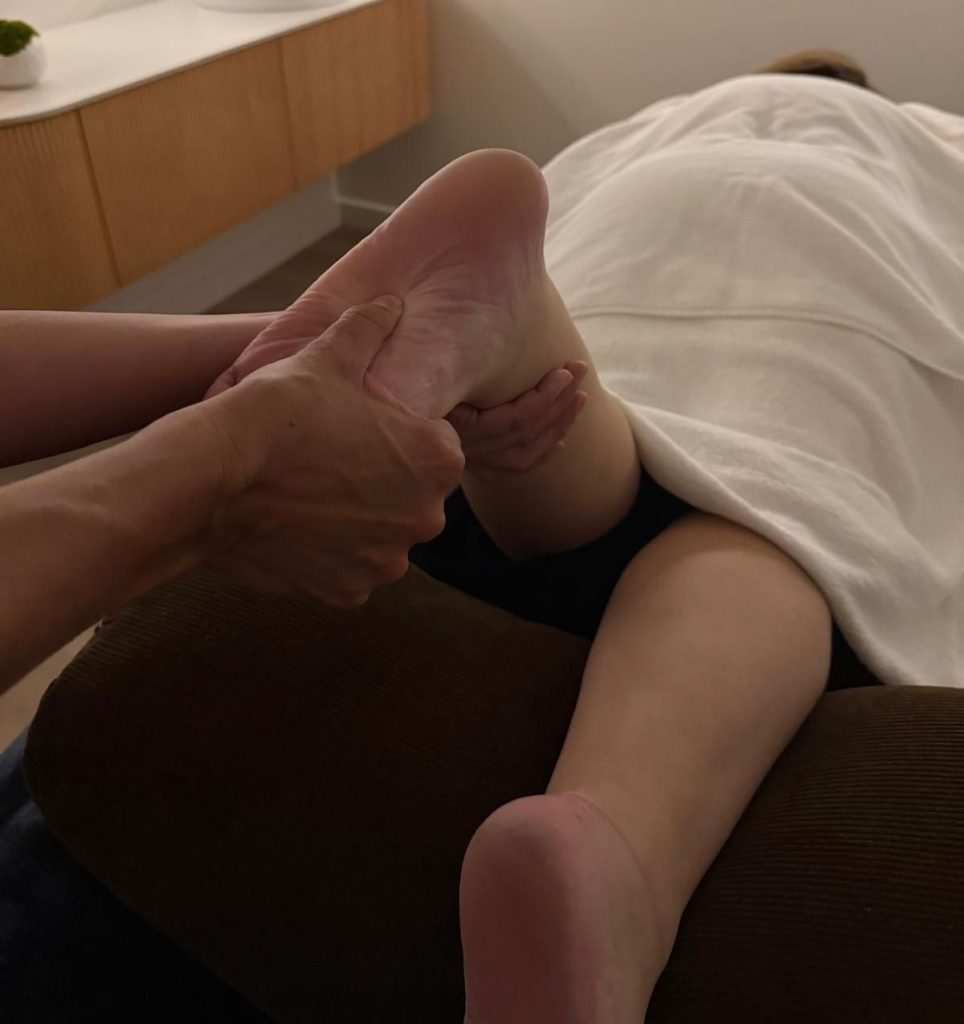
Heal. Repair. Restore Balance.
Relax with Myotherapy
Remedial Massage & Relaxation Massage
In a world that constantly demands more from you, stress, fatigue, and physical tension often settle quietly into the body.
At Body Detox, massage therapy is not just about relaxation. Every treatment is a healing process and helps your body restore its natural rhythm and restore balance to the body and mind.
Our well-trained and experienced therapists use their expertise and instinctive knowledge and deploy the ancient massage methods of relieving tension accumulated in our muscles, enhancing blood flow and the self-curing ability of our bodies.
There are not a pair of bodies alike, and there shouldn’t be a pair of sessions that are alike. This is the reason why we tailor each treatment to exactly what your body requires that particular day, so that it is a highly personal and effective experience.
What is massage therapy at Body Detox?
Massage Therapy Body Detox is a full-body method of massage therapy that is holistic and restorative to body and mind. Through a process of unblocking and breathing through tight muscles, stressed areas and blocked energy points, we assist your body in getting back into a balance and flow state.
Our techniques involve pressure, rhythm and instinctive touch to help reduce pain and heal our patients, and we hope to:
- Relieve muscular knots and tightness.
- Reduce chronic and acute pain.
- Become more pliable and movable.
- Calm the nervous system
- Promote thorough body and mind relaxation.

Do you love light and gentle strokes or prefer more intense pressure to deal with the difficult tension? Your therapist will adapt each to your level of comfort and treatment objectives. It is all about taking care of your body and not making it obey
What Is Myotherapy?
Myotherapy (muscular therapy) is the assessment of muscular injury and dysfunction, the application of various physical modalities to treat pain, and the rehabilitation of the soft tissue and underlying causes. The aims of Myotherapy treatment are to improve muscular strength, flexibility, and to decrease pain.
Myotherapy can be used for a number injuries or conditions that result from strains, sprains, occupational, postural and recreational stresses, emotional stress, incorrect ergonomics, faulty biomechanics, muscular imbalances, traumatic or overuse injury or chronic neuromuscular or musculoskeletal illness or disease.
These underlying causes may have symptoms such as general aches and pains, headaches, neck or back pain, joint stiffness, neurological symptoms or reduced flexibility.
A Holistic Approach
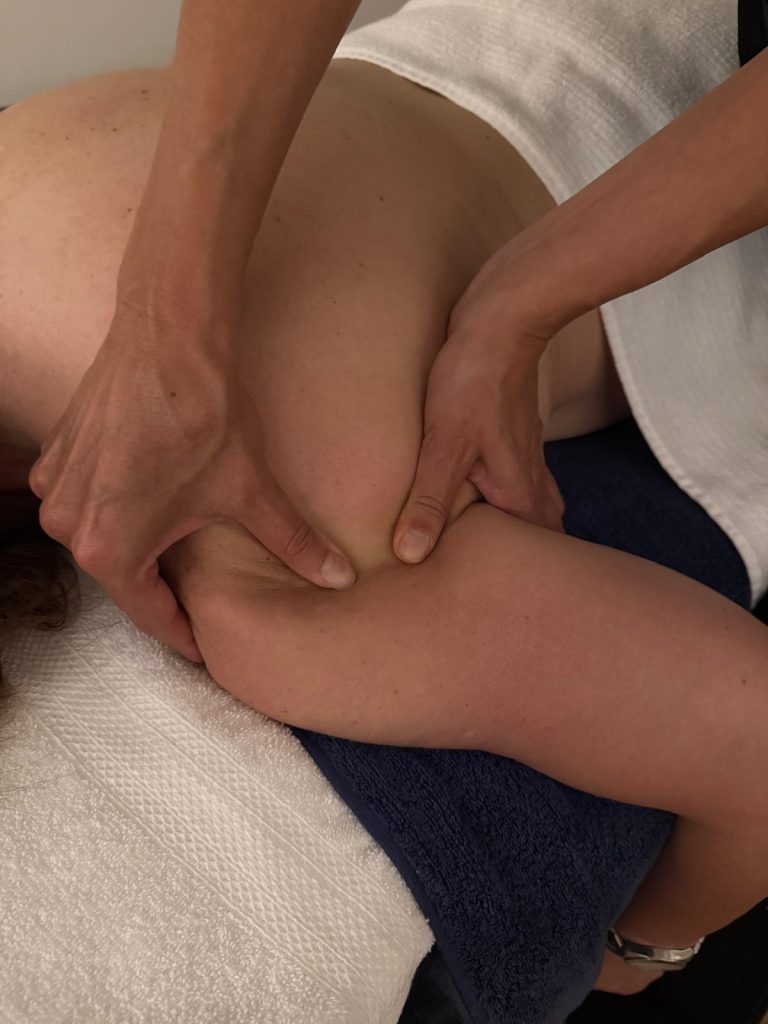
Myotherapist’s assess, treat, and managing the pain associated with soft tissue injury and restricted joint mobility which has been caused by myofascial or muscle dysfunction. It is a holistic approach of injury management as the whole body is taken into account as well as your specific issue.
We use specific soft tissue techniques such as deep tissue massage, myofascial release, trigger point therapy, stretching, dry needling, and heat therapies. Rehabilitation of the injury or condition can be done through exercise and/or stretching prescription and corrective advice.
An initial Myotherapy consultation will involve a brief medical history, presenting injury history, skeletal structure and postural assessment, range of movement testing, joint mobility, muscle strength and neurological testing, orthopaedic tests and a palpatory assessment.
What is Remedial Massage ?
Remedial Massage and Deep tissue Therapy are a style of therapeutic massage used to treat and remedy dysfunctions held within the soft tissue of the muscle, fascia, ligaments and tendons.
Some people may be put off by the idea that this type of massage is a lot deeper than others. Yes, at times, it can be uncomfortable to receive, but most describe this as a ‘good pain’.
However, the depth is tailored to suit the individual only working to a depth that is appropriate for the condition. On occasion it may be more effective to work lightly to create change.
Pain tolerance is of greater importance and constant communication is kept between therapist and client, so as the client feels as comfortable as possible, whilst still receiving the most benefit.
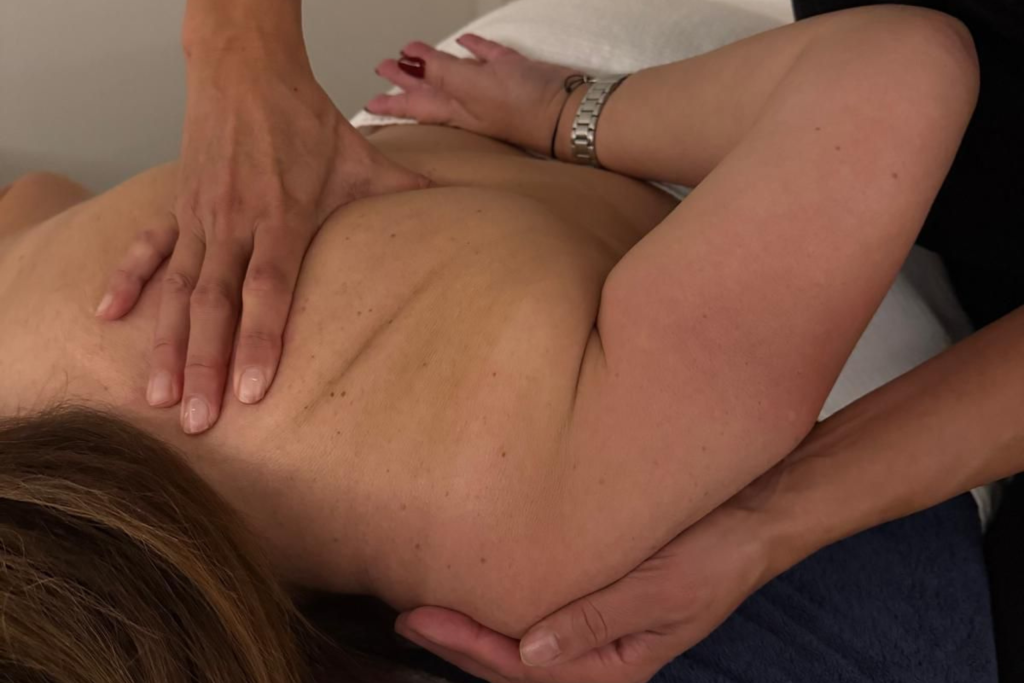
Your treatment, which is tailored for each individual client, may include a number of massage techniques, both superficial and deep, pressure techniques, lymphatic drainage, trigger point therapy, muscle energy techniques, soft tissue release, myofascial release, neuromuscular techniques and muscle testing and balancing. This combination of techniques are all aimed at bringing relief and ease such conditions as back pain, repetitive strain injury etc.
It’s not about having an elbow stuck in as hard as possible and causing as much pain as possible.
We believe that deep and hard are two very different things, we will work at the depth needed within your pain tolerance. If a technique is applied too hard, the tissue will contract and the therapist’s fingers/elbows won’t be allowed to effect any change in the tissue.
The key to a good sports and remedial massage is to effect a change in the tissues and then to ensure any rehab exercises are effective in changing the structure of the body back to a more normal state.
The resulting aim is to assist the body’s own healing process for the rehabilitation of injuries and dysfunction, so as to ease movements and flexibility and minimise/eliminate pain.
Should a Remedial Massage Hurt?
Short answer: No, it shouldn’t.
Remedial massage may feel intense at times because your therapist is working on tight or tender areas — but it should never be unbearable. You should always feel in control of the pressure.
The “no pain, no gain” mindset does not apply to remedial massage. In fact, too much pressure can cause your muscles to tense up, making it harder to release tightness and potentially leaving you feeling sore or bruised afterwards.
Muscles only release when they are relaxed. If you’re tensing in pain, the treatment becomes less effective.
Our therapists works within your comfort zone — firm, effective, but never forcing.
Effective doesn’t have to mean painful.
Benefits of Massage Therapy
Each massage experience at Body Dtox will be positive, relaxing, and successful. Your experience includes:
Reduces Muscular Tension:
Knotted, tense muscles are slowly relaxed, allowing your body to become less restricted so you can move more freely and comfortably while alleviating daily aches and stiffness.
Enhances Blood Circulation:
Massage promotes healthy blood circulation, supplying much-needed oxygen and nutrients to the muscles and other body organs to aid in recovery.
Relieves Stress, Anxiety, and Mental Tiredness:
Soothes the nervous system, helping you feel lighter, more relaxed, and experience deep relaxation.
Supports Emotional Well-being and Clarity:
Encourages emotional balance and clarity of thoughts for a refreshed state of mind.
Improves Muscle Recovery:
Massage supports muscle recovery by reducing post-exercise soreness, helping prevent injury, and accelerating recovery—especially for active people and athletes whose bodies rely on regular muscle activity.
Reconnects the Mind and Body:
Massage therapy reconnects you with your physical and emotional self, helping you feel grounded, present, and balanced.
Every appointment is well formulated so that when you walk out, it is in a very relaxed, restful, and refreshed manner.
What to Expect During Your Massage Session
At Body Dtox, every treatment is delivered with a clinical, client-centred approach to support recovery, mobility, and overall wellbeing. Your session will include:
- Comprehensive consultation and assessment to understand your concerns, medical history, and treatment goals.
- Individualised remedial massage treatment tailored to your specific needs, whether for pain management, muscle tension, injury recovery, or relaxation.
- A professional and therapeutic environment designed to support comfort, privacy, and effective treatment outcomes.
- Evidence-informed techniques and clinical expertise applied with a professional and intuitive approach.
- 60-90 minute treatment sessions, allowing adequate time for assessment, treatment, and after-care guidance where required.
Our focus is to provide safe, effective manual therapy that supports the work of allied health professionals and helps clients move, feel, and function better.
Every appointment is well formulated so that when you walk out, it is in a very relaxed, restful, and refreshed manner.
Reserve Your Massage Therapy
Who Is Massage Therapy Ideal for?
Massage therapy can be used by a very broad population that includes:
- Individuals with stress, fatigue, or burnout.
- Anyone with muscular pain, stiffness or tension.
- Those who have just done some exercises or physical work.
- In need of profound relaxation and emotional health.
- To enhance circulation and general well-being.
FAQ (Frequently Asked Question)
How often should I receive massage therapy?
The frequency of treatment depends on your individual goals, lifestyle, and any existing musculoskeletal conditions. For injury recovery or chronic tension, sessions may be recommended weekly or fortnightly. For maintenance and general wellbeing, many clients benefit from treatments every 3–4 weeks. Your therapist will recommend an appropriate treatment plan after your initial consultation.
Is massage therapy painful?
Remedial massage should not be excessively painful. Some techniques used to address muscle tension, trigger points, or restricted tissue may cause mild discomfort, but the treatment should always remain within your comfort level. Communication with your therapist is encouraged to ensure the pressure and techniques are appropriate for you.
Can I receive massage therapy if I exercise regularly?
Yes. Massage therapy is highly beneficial for people who exercise regularly. It can assist with muscle recovery, improve circulation, reduce muscle tension, support mobility, and help prevent injuries. Many athletes and active individuals include regular massage as part of their recovery and performance routine.
What should I do after my massage therapy session?
After your treatment, it is recommended to drink plenty of water, allow your body time to rest, and avoid intense physical activity for several hours if possible. Your therapist may also provide simple stretching or recovery recommendations to help maintain the benefits of the treatment.
What conditions can remedial massage help with?
Remedial massage therapy can assist in the management of a range of musculoskeletal conditions and physical complaints. By addressing muscle tension, restricted soft tissue, and circulation, treatment can help reduce discomfort and improve overall function.
Remedial massage may help with:
- Muscle tension and tightness
- Neck and shoulder pain
- Lower back pain
- Sports injuries and muscle strains
- Headaches and tension headaches
- Postural imbalances from prolonged sitting or repetitive movements
- Reduced mobility and joint stiffness
- Stress-related muscle tension
- Recovery from physical activity or training
Treatment is tailored to each individual following a consultation and assessment to ensure the most appropriate techniques are used for your needs. Remedial massage can also complement care provided by other allied health professionals such as physiotherapists, osteopaths, and chiropractors.
Book Your Massage Therapy
Session Today
Book online now
1300 733 549
265 Plenty Road, Preston, VIC

Register to subscribe to “Balance” our Mind, Body and Soul Newsletter
By registering your interest, you are agreeing to our Privacy Collection Statement and our Privacy Policy and opting in to receive communications from Body D-Tox. You can opt out at any time*

Opening Hours:
Monday 9 am–5 pm
Tuesday 9 am–6 pm
Wednesday 9 am–9 pm
Thursday 9 am–9 pm
Friday 9 am–5 pm
Saturday 9 am–5 pm
Sunday 10 am–5 pm